Jinwang Wang 王金旺
Researcher at Alibaba DAMO Academy, Ph.D. from Wuhan University, advised by Prof. Wen Yang and Prof. Gui-Song Xia.
My research focuses on generative and multimodal foundation models, particularly vision generation and vision-language models, with an emphasis on visual generation, multimodal reasoning, and post-training.
Previously, I worked at Huawei on computer graphics and video generation models, and interned at SenseTime on object detection.
Selected Publications
Google Scholar citations: 4,172 Updated September 26, 2026
-
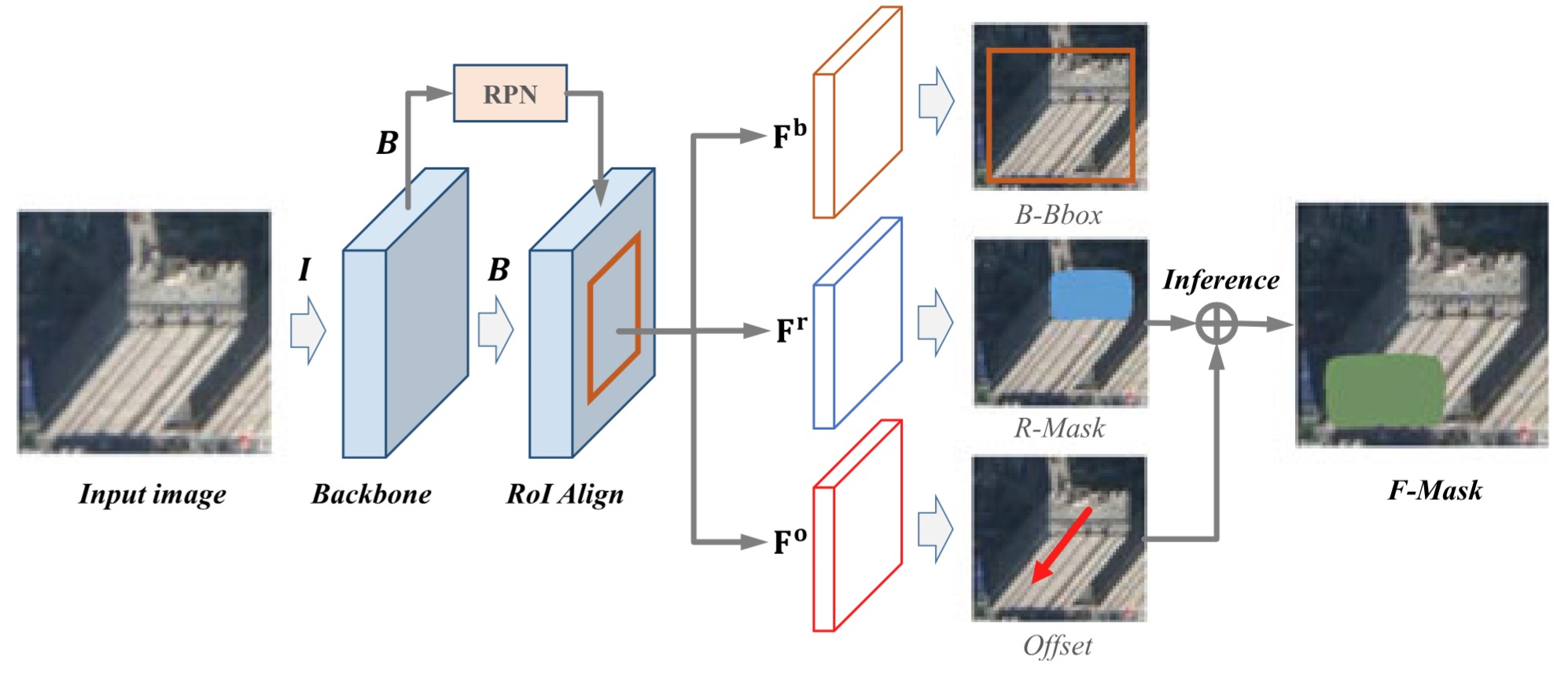
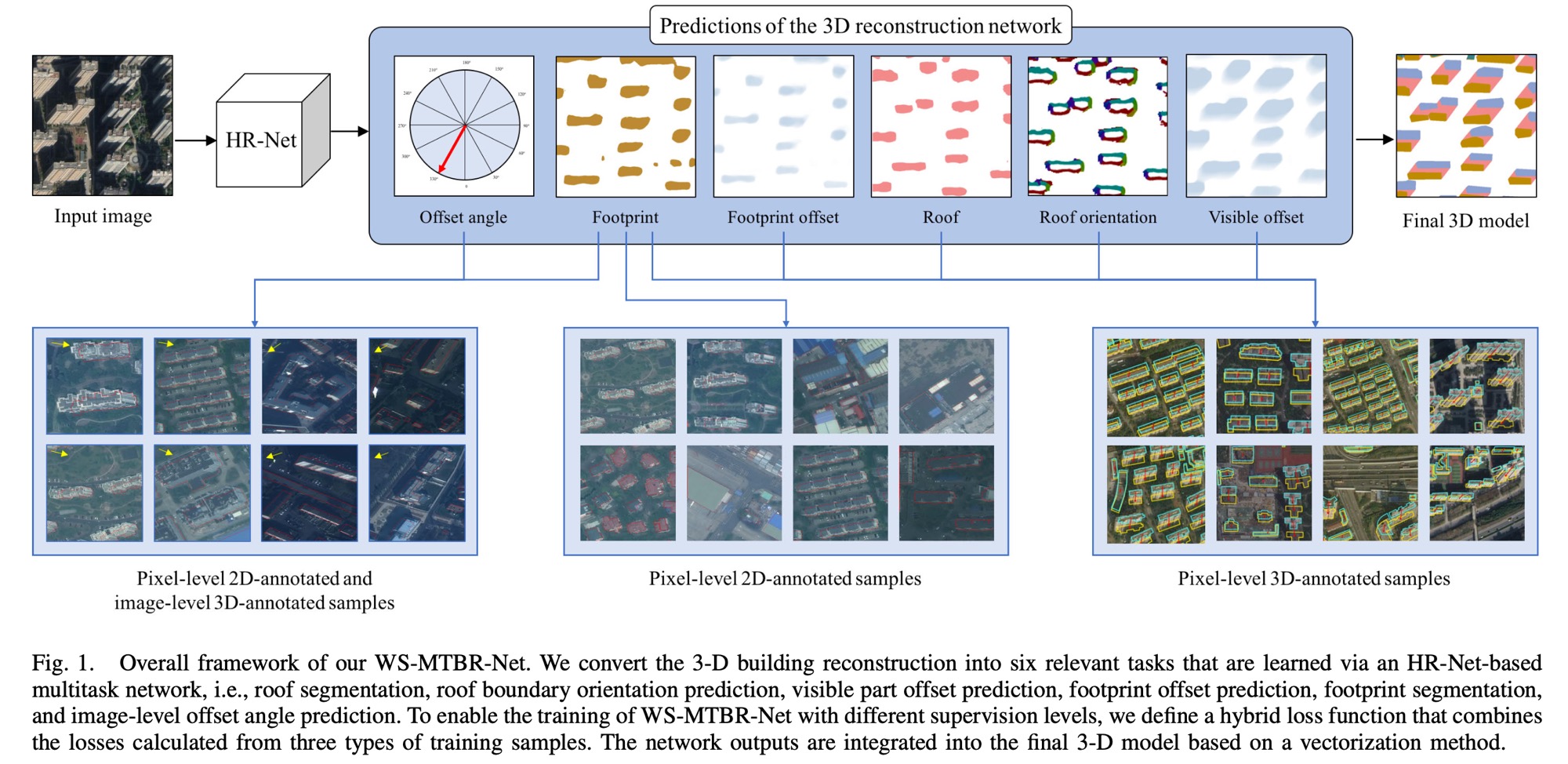 Weakly Supervised 3-D Building Reconstruction from Monocular Remote Sensing ImagesTGRS, 2024.Develops a weakly supervised framework for reconstructing 3D buildings from monocular remote sensing imagery, reducing reliance on dense 3D annotations.
 -
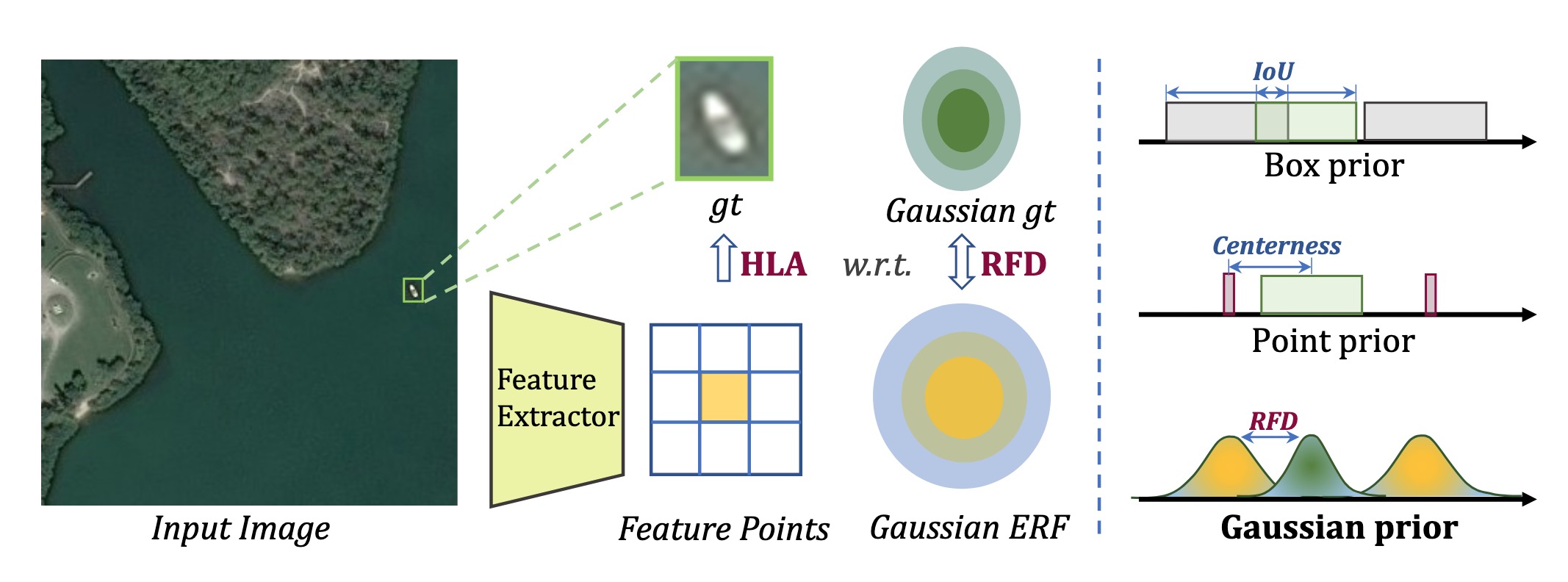
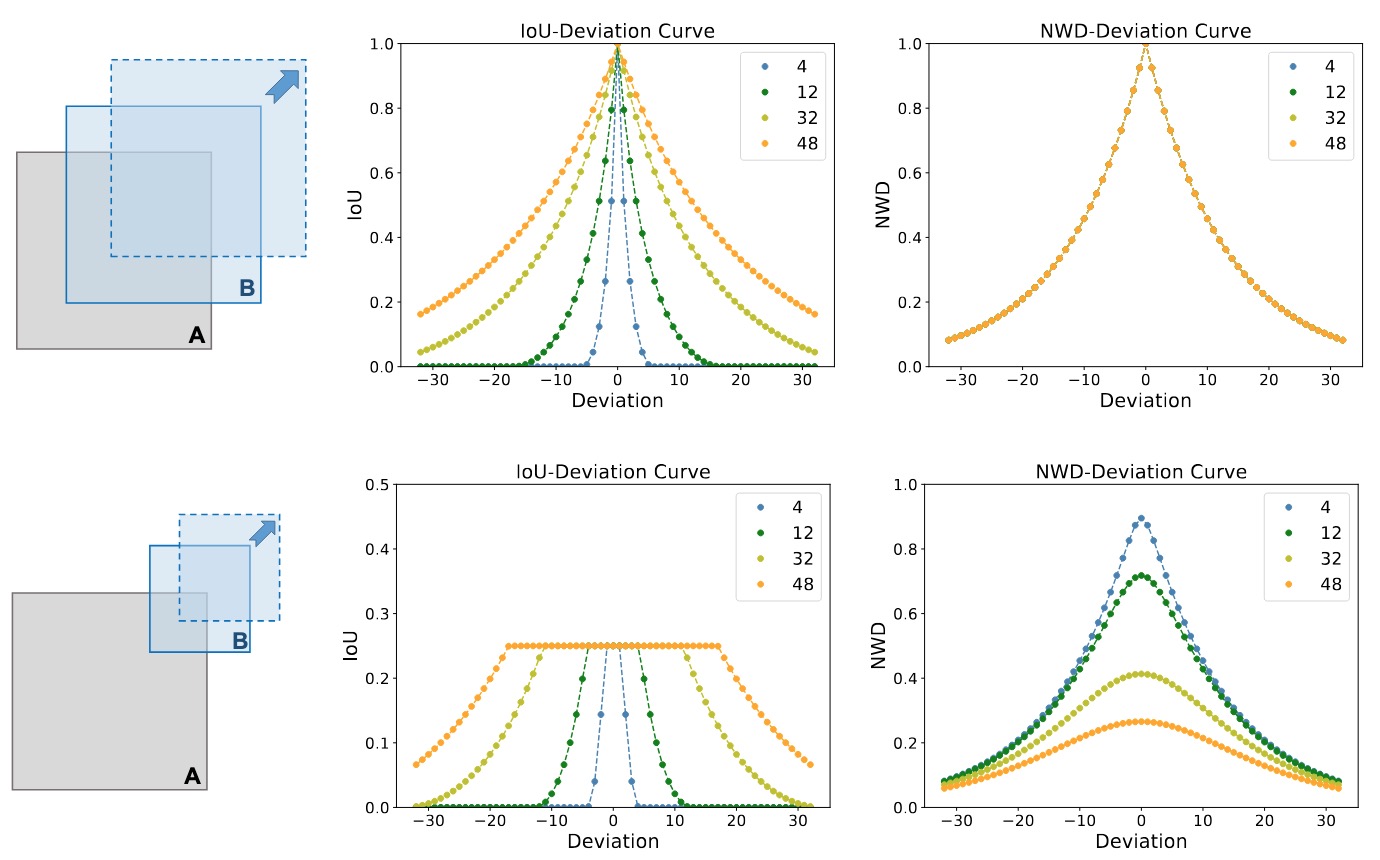
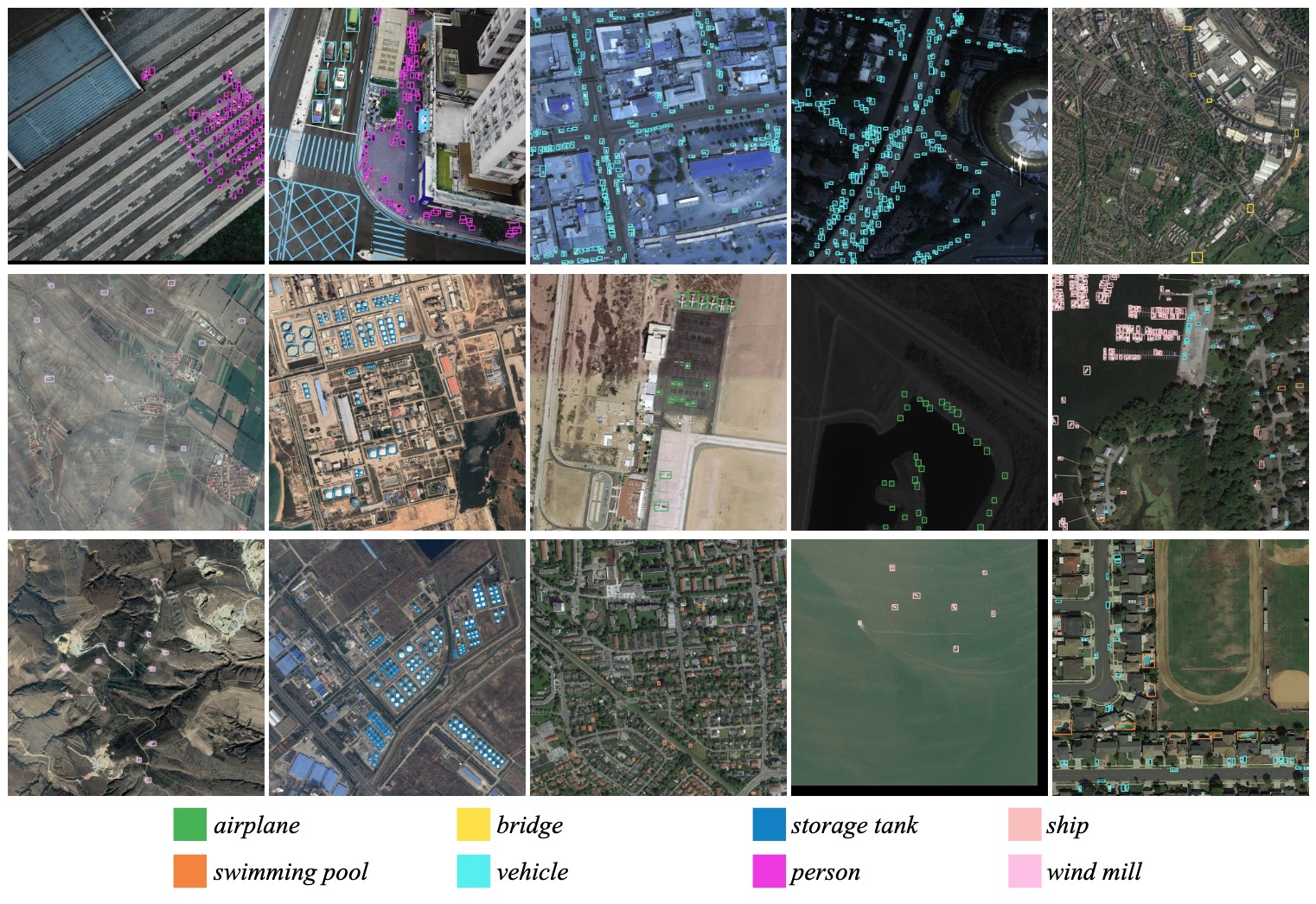
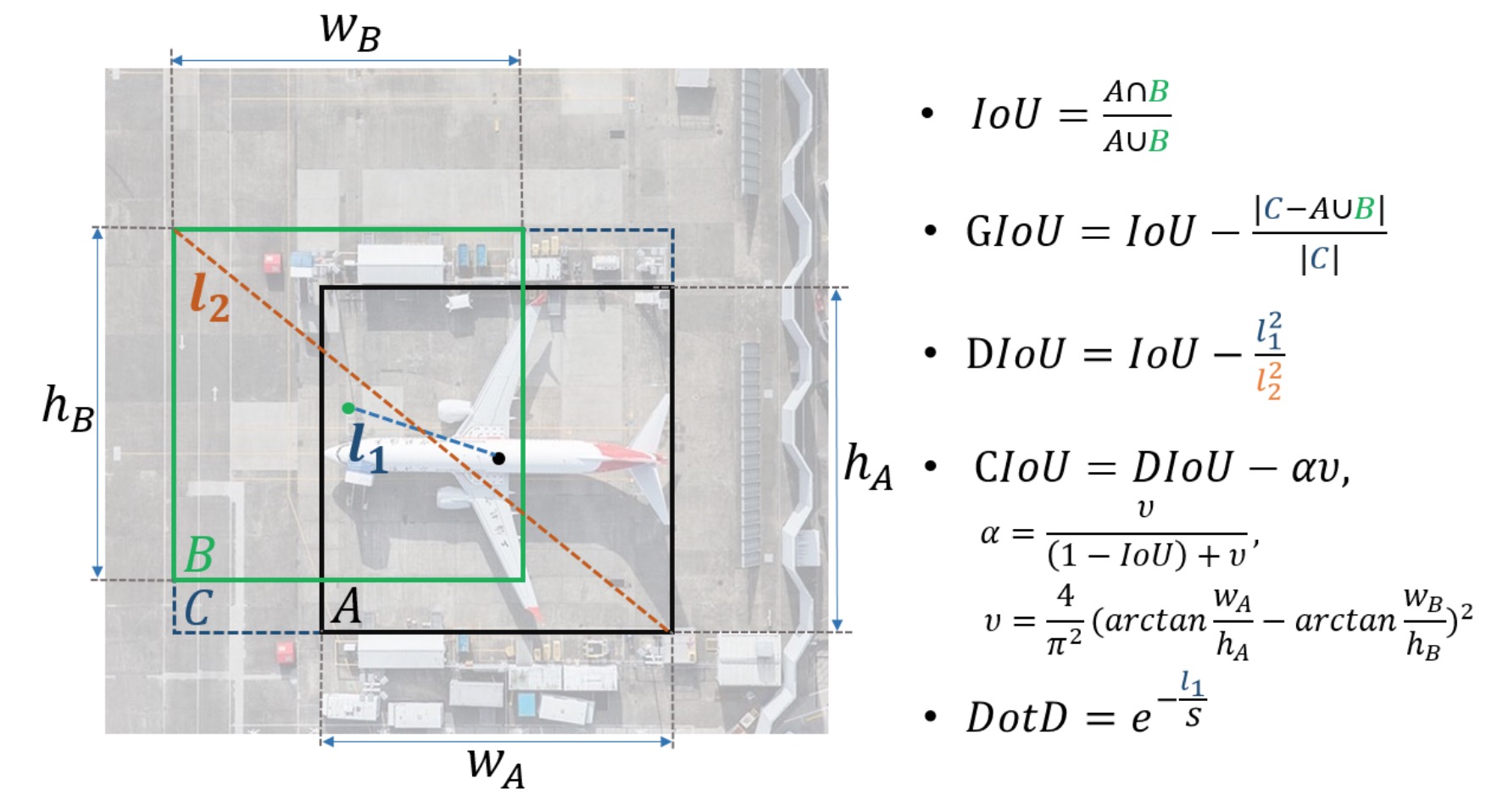 Dot Distance for Tiny Object Detection in Aerial ImagesCVPRW, 2021.Proposes dot-distance based localization to represent and detect tiny objects more robustly when bounding boxes become unreliable.
 -
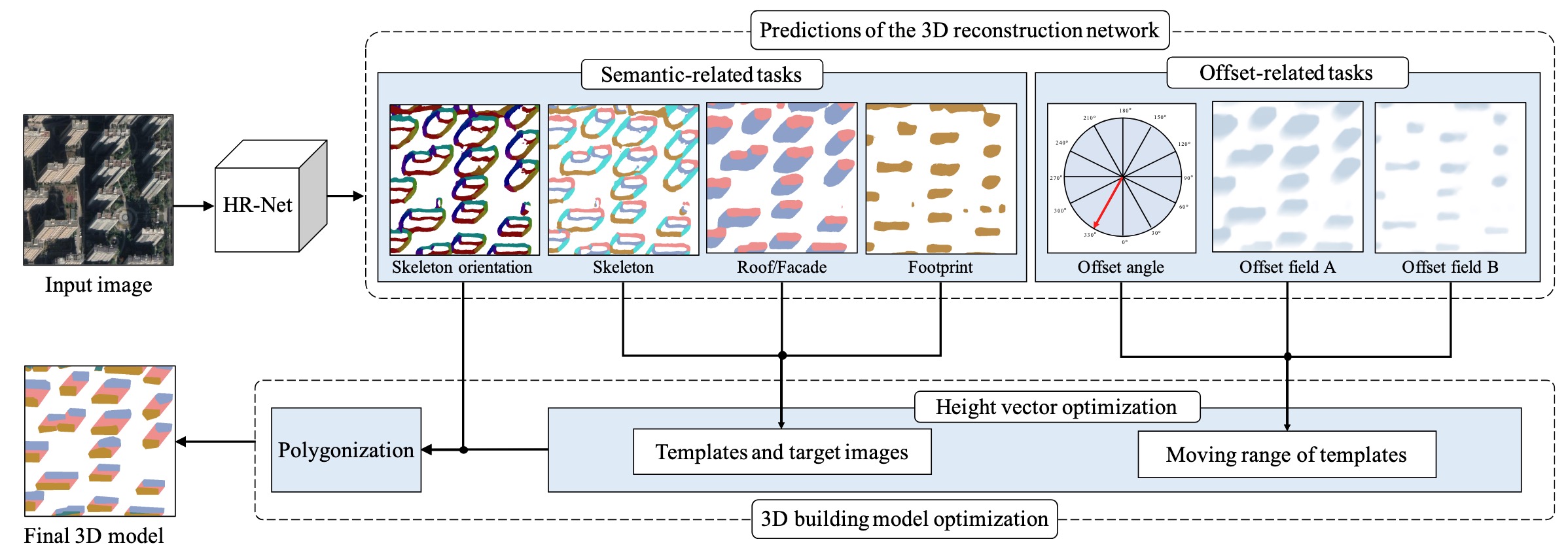 3D Building Reconstruction from Monocular Remote Sensing ImagesICCV, 2021.Develops a monocular remote sensing approach for 3D building reconstruction, bridging 2D aerial imagery and structured urban geometry.
 -
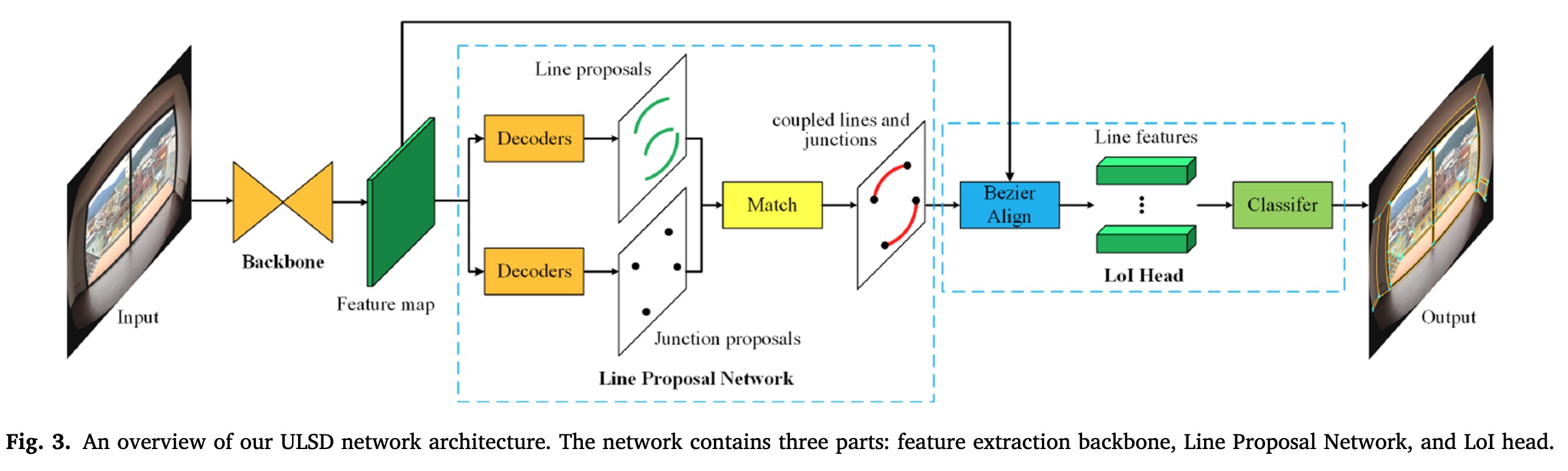 ULSD: Unified Line Segment Detection Across Pinhole, Fisheye, and Spherical CamerasISPRS JPRS, 2021. (The U. V. Helava Award – Best Paper 2021; Core idea contribution)Introduces a unified line segment detection framework that generalizes across pinhole, fisheye, and spherical camera models.
 -
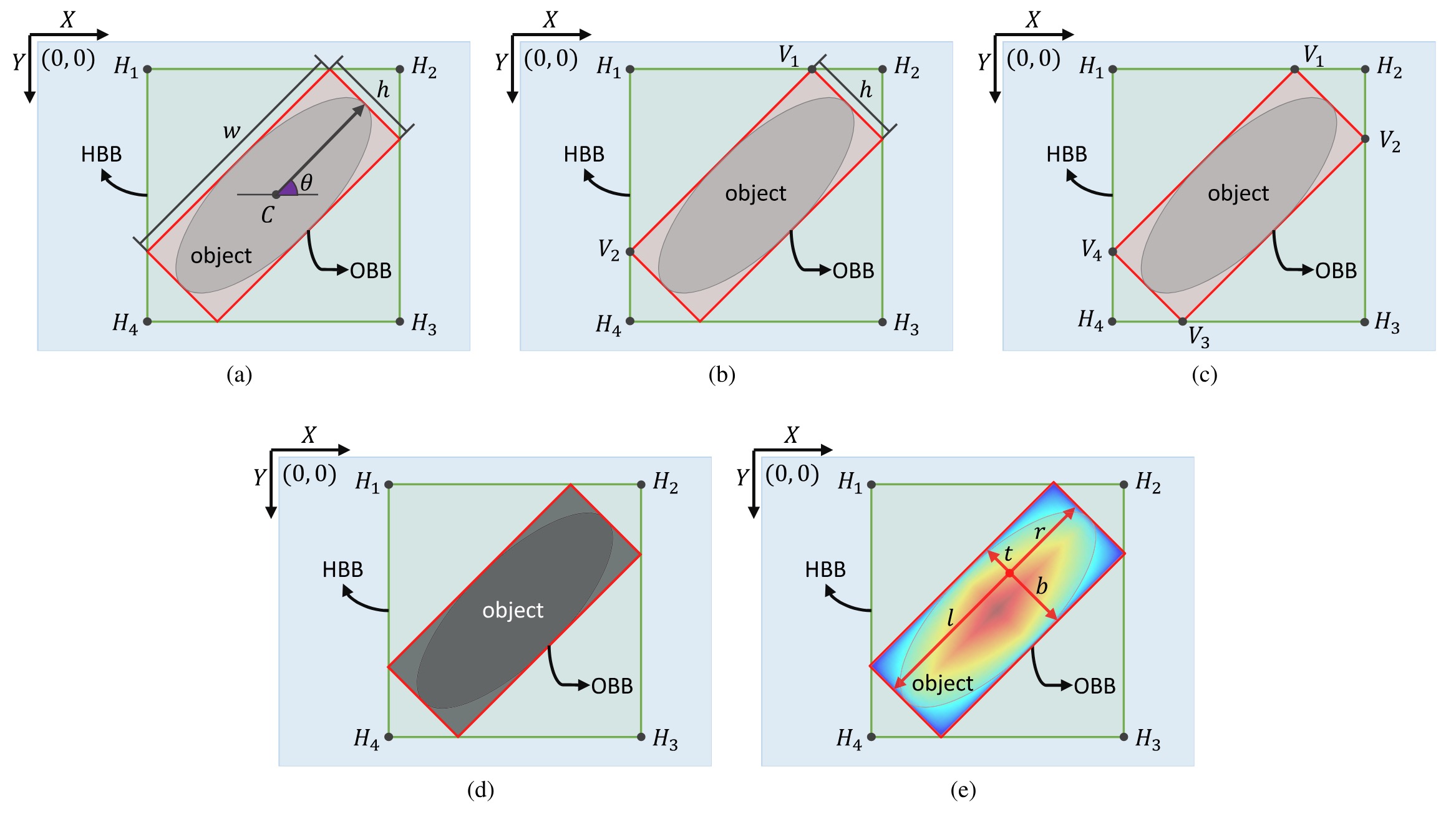
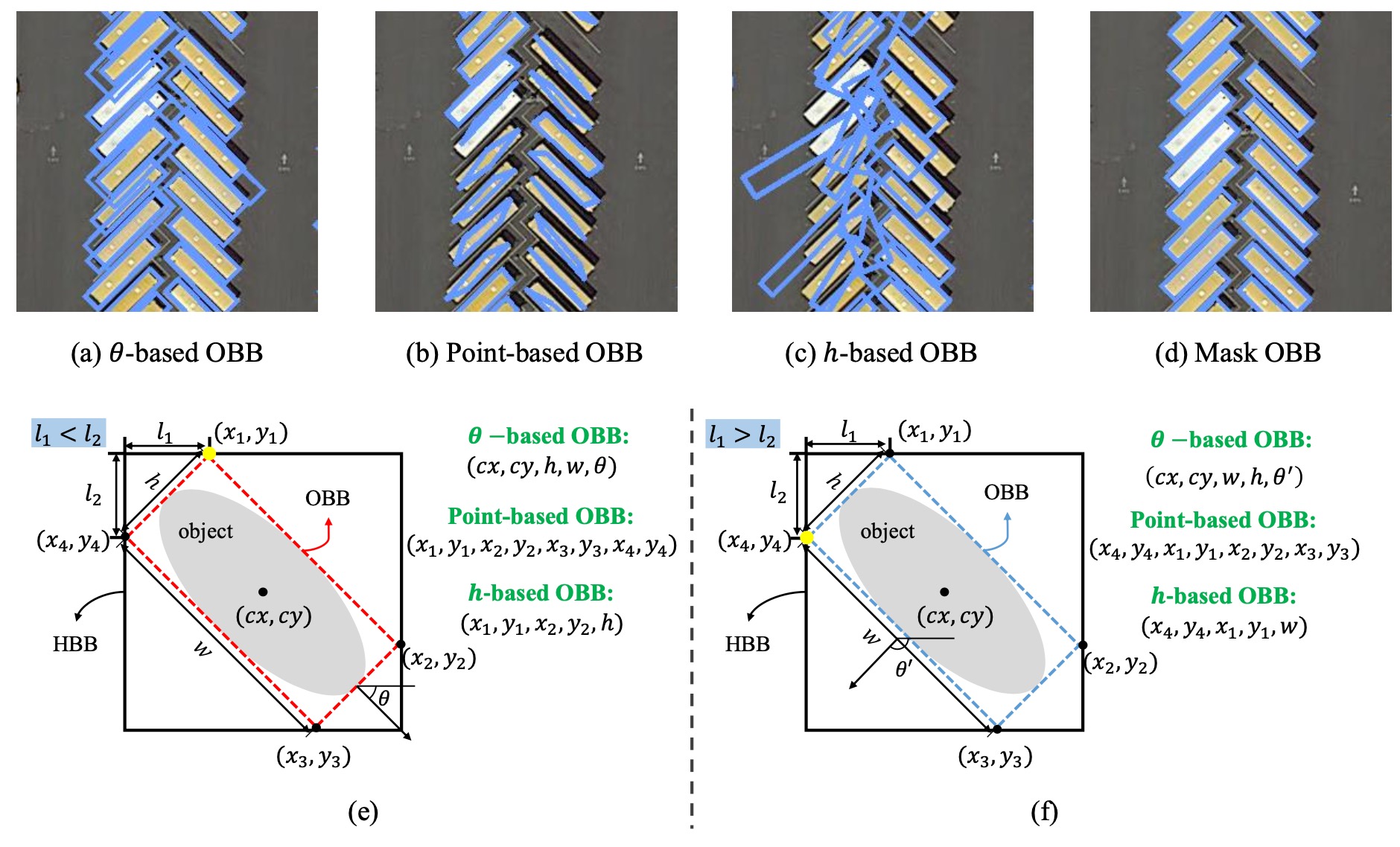 Mask OBB: A Semantic Attention-Based Mask Oriented Bounding Box Representation for Multi-Category Object Detection in Aerial ImagesRemote Sens., 2019.Introduces a semantic attention based oriented bounding box representation for multi-category object detection in aerial images.
 -
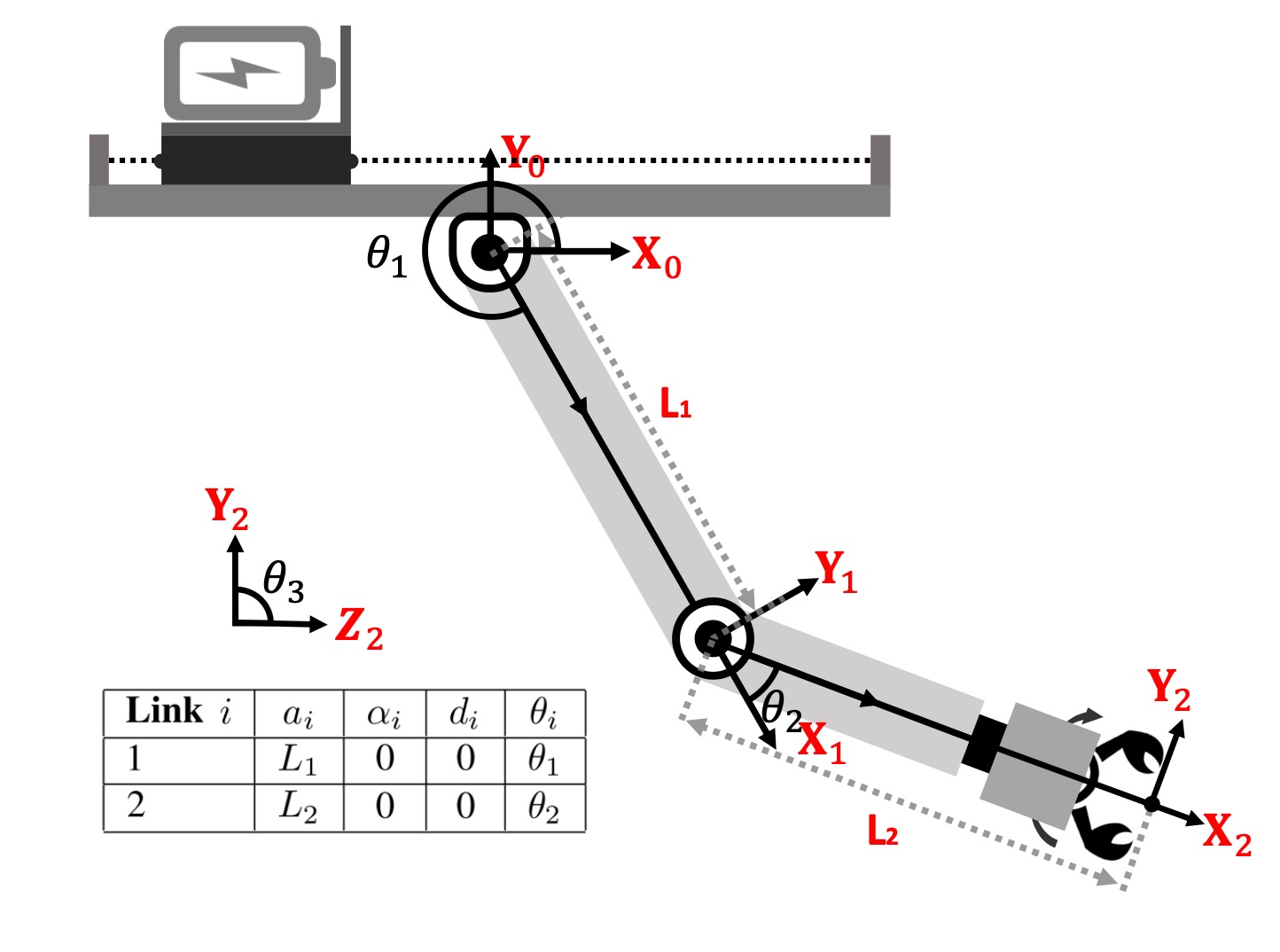 Development of an Autonomous Unmanned Aerial Manipulator Based on a Real-Time Oriented-Object Detection MethodSensors, 2019.Builds an autonomous unmanned aerial manipulator system powered by real-time oriented object detection for robotic aerial operation.
Honors & Awards
- Academic Innovation Second Prize Scholarship (Top 3%) — 2022
- Yu Gang & Song Xiao Scholarship (Top 1%) — 2020
- National Graduate Scholarship (Top 1%) — 2017, 2018
- National First Prize (TOP5) & Best Paper Award, Graduate Electronic Design Competition — 2018
- 6th Place & Finalist, ICRA & DJI RoboMaster AI/Robotics Challenge — 2017, 2018
- National Second Prize, Graduate Electronic Design Competition — 2017
- Chun-Tsung Scholar (Top 1%) — 2016
- Provincial Grand Prize, National Undergraduate Electronics Design Contest — 2015
- National Third Prize, Challenge Cup — 2015
- National Second Prize, National Mathematical Modeling Competition — 2014
- National Scholarship (Top 1%) — 2014
- National Encouragement Scholarship (Top 1%) — 2013, 2015